
Learn
Evidence reviews, routines and the occasional grade change, in plain language.
Start here
New to supplements, or to us?
How to · October 2026
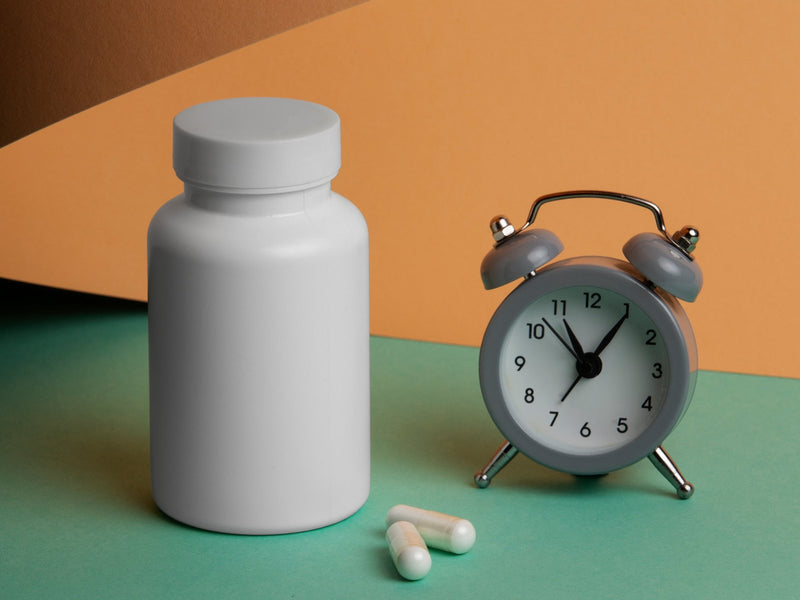
Your day, built: what to take in the morning, with meals and in the evening
Where timing matters, where consistency matters more, how to space supplements from medicines, and how to make a daily routine stick.
How to · October 2026
How to read a supplement label: a plain-English guide
Serving size, forms, % Daily Value, proprietary blends, claims, quality seals and upper limits, explained with real examples from our own labels.

How to · October 2026
How to tell if a supplement brand is worth your trust
Eight quick checks for any supplement brand: evidence you can open, doses that match the research, honest limits, clear labels, how it…
All articles

Ingredient guide · October 2026
Immune support: what vitamins C and D, zinc and B6 do
What vitamins C and D, zinc and B6 do for normal immune function, how much is in a serving compared with daily…
Ingredient guide · October 2026
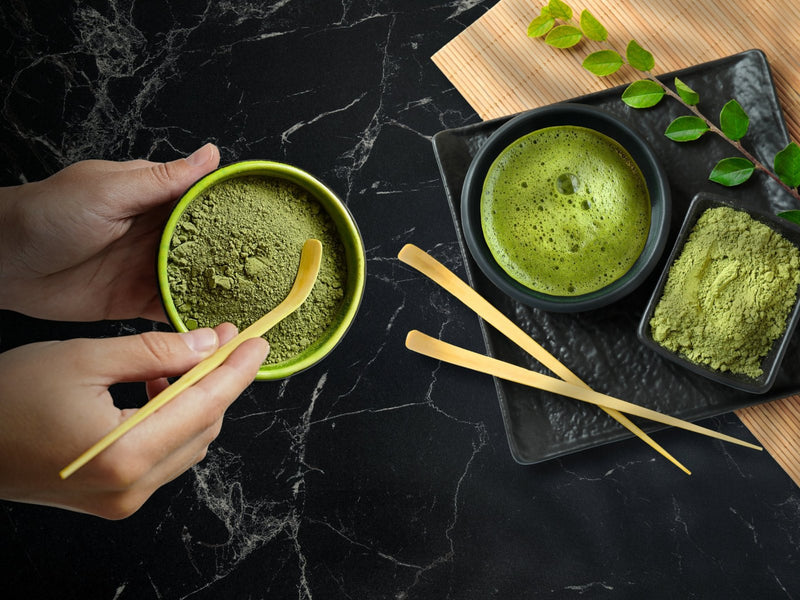
Matcha: caffeine, L-theanine and what “ceremonial” means
How shade-grown matcha differs from green tea, how much caffeine is in a teaspoon, what “ceremonial” means, and how to make and…

Ingredient guide · October 2026
Collagen peptides: what 20 grams does
Whether you can absorb collagen, what the trials show for skin and joints, how it counts as protein, and how to take…
Ingredient guide · October 2026
Colostrum: what IgG is, and what studies in adults show
What makes colostrum different from milk, what studies in adults show for the gut, recovery and immune health, and how to take…

Ingredient guide · October 2026
Lion's mane: what the human studies show
What lion’s mane is, what human trials have found for memory and focus, and how long to give it.
Ingredient guide · October 2026
Omega-3: how much EPA and DHA counts, and how to read the label
Why most adults fall short on EPA and DHA, how much counts, how to read a fish oil label, and how long…

Ingredient guide · October 2026
Probiotics: what strains and CFU mean
How to read a probiotic label, why strain names matter, what a CFU count tells you, and what the research on our…

Ingredient guide · October 2026
Resveratrol: what human studies show, and why we grade it Frontier
Where resveratrol’s fame came from, what human trials have found, how our 600 mg serving compares with the studied range, and how to…

Comparison · October 2026
CoQ10: ubiquinone or ubiquinol, and who it's for
What CoQ10 does in your cells, how the two forms compare, what studies in healthy adults show, and how to take it…
Ingredient guide · October 2026
Ashwagandha: what the KSM-66 studies show, and who it’s for
What KSM-66 ashwagandha did in placebo-controlled studies of adults under everyday stress, how long it takes, and who it’s for.

Ingredient guide · October 2026
Vitamin D3 and K2: why they’re paired, and how much to take
What vitamins D3 and K2 each do for bone, why they work as a pair, what 5,000 IU means next to the upper…
Comparison · October 2026
NMN or NAD+: which one, and why
Both feed the coenzyme your cells run on. What each one is, what human trials show, and how to choose the right…

Comparison · October 2026
Magnesium forms, compared
Glycinate, citrate, oxide and more: how much each form absorbs, how your stomach handles it, and what the sleep research shows.
Ingredient guide · October 2026
Creatine is not just for the gym
What creatine does for older adults, women and the brain, what the research shows, graded by the evidence, and how to take…
Letters from Cellovi
Your routine guide, one email a week at most: what to take for each moment, what the evidence says, and first word on new protocols.
Unsubscribe any time. See our privacy policy.